Venous ulcers are slow-healing wounds that often develop when poor circulation in the legs causes pressure to build in the veins. Effective care may involve improving blood flow and addressing underlying vein-related concerns. Here is a closer look at care approaches for managing venous ulcers:
Assessing Ulcers and Circulation Needs
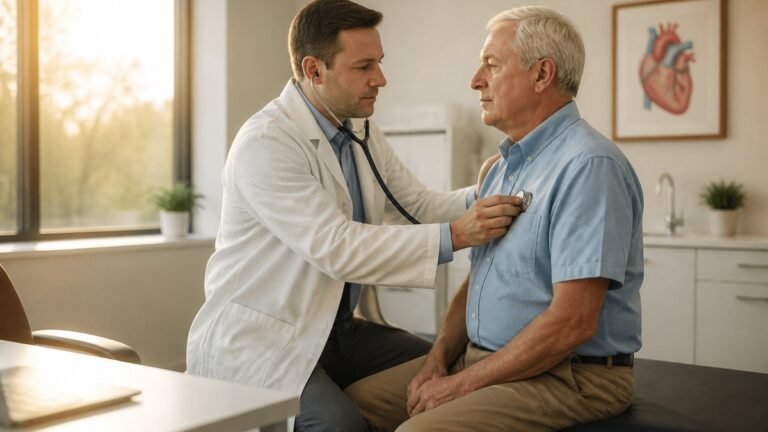
Before any treatment begins, a care provider examines the venous ulcers and the surrounding area. They may check your pulse, measure swelling, or order tests that show blood flow. A common review includes the following key areas:
- Skin condition: The team notes the skin’s texture, color, and temperature near the wound.
- Blood flow: Tests measure how easily blood travels through your veins and arteries.
- Wound features: Providers record the wound size and depth to track changes later.
These details provide the care team with a baseline and make it easier to measure progress during follow-up visits.
Using Wound Care Methods
Once the assessment is complete, treatment for venous ulcers usually centers on two main tools. Wound care keeps the sore clean, and compression therapy targets the blood flow problem that caused it. Wound care involves cleaning the wound and applying a dressing to protect the skin. The dressing type depends on the wound, and providers change it on a regular schedule. Keeping the area clean is fundamental and reduces the risk of further skin breakdown. Compression therapy uses wraps, bandages, or stockings that gently press on the leg. This pressure helps push pooled blood upward, and it eases the swelling that slows healing.
Addressing Vein Problems
Venous ulcers often stem from vein problems, so treating the underlying veins is an integral part of long-term care. When veins cannot move blood well, pressure builds, and the skin stays under strain. Providers may suggest procedures that improve vein function, and these steps aim to reduce the possibility of new sores.
Infection is another risk that care teams watch closely. An open wound gives germs a way into the body, and an infected ulcer can heal more slowly. Providers examine warning signs at each visit and act quickly when something changes. Here are key signs to monitor between appointments:
- Increased redness: Skin around the wound that looks redder or is warm.
- New drainage: Fluid changes in color, amount, or smell.
- Rising pain: Discomfort increases rather than eases over time.
If you notice any of these signs, contact your provider, and they will guide your next step.
Supporting Ongoing Care
Healing does not stop when a dressing goes on. Ongoing care keeps the process on track and lowers the odds of a new ulcer forming. Movement and leg position can support better blood flow. Providers may suggest short walks and advise raising your legs while you rest. Skin care also matters, so keeping the legs clean and moisturized is a key habit. Follow-up visits round out the plan. Your provider checks the wound, updates the dressing approach, and adjusts compression as needed.
Get Care for Venous Ulcers
Venous ulcers require careful management to promote healing and prevent complications. Key strategies include maintaining proper compression therapy, adhering to wound care routines, and incorporating healthy lifestyle habits. Consistent follow-up visits make sure your provider can monitor progress, adjust treatments, and address concerns promptly. Contact a reputable vein center near you to book your appointment and get professional care for venous ulcers today.