As the body ages, the skin gradually loses its ability to renew and repair itself. Fine lines, wrinkles, uneven texture, and thinning skin often develop as collagen production slows and cellular processes become less efficient. Platelet-rich plasma (PRP) therapy uses components of your own blood to support the skin’s natural healing functions. Learn more about the effects of PRP on aging.
What Is PRP?
Platelet-rich plasma is a concentrated form of plasma that contains a higher-than-normal number of platelets. It contains growth factors, which are proteins that signal cells to repair damage and regenerate tissue. When these growth factors are concentrated and delivered to targeted areas of the skin, they may help stimulate the body’s natural rejuvenation processes.
The PRP process typically involves the following steps:
- Blood draw: A small sample of blood is drawn from your arm, similar to a routine blood test.
- Separation: The sample is placed in a centrifuge, which spins rapidly to separate the platelets and plasma from the red and white blood cells.
- Preparation: The concentrated platelet-rich plasma is collected and prepared for application.
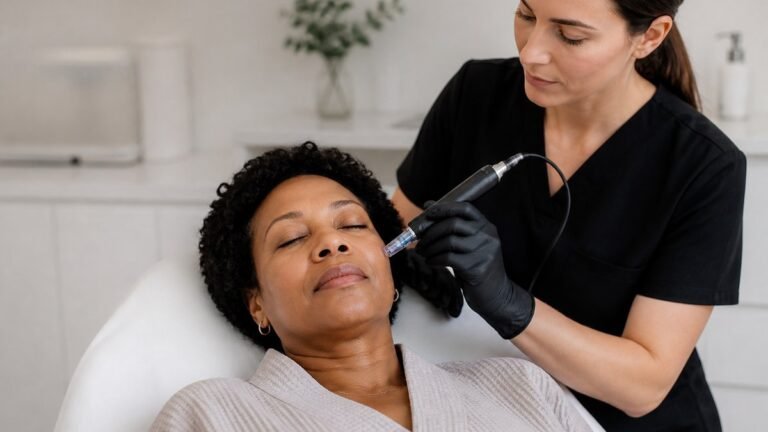
- Application: The PRP is injected into the treatment area or applied to the skin during microneedling, which creates tiny channels that allow the plasma to penetrate more deeply.
Because PRP comes from your own body, the risk of an allergic reaction or rejection is very low. Treatment sessions are generally brief, normal activities can be resumed shortly afterward.
Encourages Collagen Production
Collagen provides firmness, strength, and elasticity, helping the skin maintain a smooth and youthful appearance. Beginning in early adulthood, the body produces less collagen each year. Sun exposure and environmental stressors can accelerate this decline. Over time, reduced collagen contributes to sagging skin and deeper wrinkles, along with facial volume loss.
Growth factors in platelet-rich plasma signal fibroblasts, the cells responsible for producing collagen and elastin, to become more active. As fibroblast activity increases, the skin gradually builds new collagen fibers. Results can be seen over an extended period, with patients noticing firmer, plumper skin and a softening of fine lines as new collagen forms. Because the improvement comes from the body’s own regenerative response, results tend to appear natural and gradual.
Cell Turnover
Healthy skin constantly sheds old cells and replaces them with new ones. In younger skin, this cycle of cell turnover occurs relatively quickly, which helps maintain a bright, even complexion. As people age, this cycle slows considerably. Dead skin cells may accumulate on the surface, leading to dullness, rough texture, and uneven tone.
Growth factors encourage cellular activity and promote the development of new, healthy skin cells. When PRP is combined with microneedling, the controlled micro-injuries further prompt the skin to regenerate. Together, these effects can contribute to a smoother surface, improved radiance, and a more uniform complexion. Patients with mild discoloration or sun damage may also see gradual improvement as newer cells replace older, damaged ones.
Skin Tissue Repair
Platelets play a role in the body’s natural wound-healing response. When skin is injured, platelets gather at the site and release growth factors that initiate repair. PRP therapy uses this same mechanism to address damage associated with aging and other skin concerns.
By delivering concentrated growth factors directly to the treatment area, PRP may help improve blood flow and support overall skin structure and renewal. This repair process can benefit people with acne scars, enlarged pores, crepey skin, or thinning skin beneath the eyes. PRP is also used after certain cosmetic procedures, such as laser treatments, because it may help support healing and reduce recovery time.
Get PRP Treatments
PRP therapy offers a way to address signs of aging by supporting the skin’s own ability to produce collagen, renew cells, and repair tissue. Because it uses your own blood, it provides a natural approach to rejuvenation with minimal downtime and a low risk of adverse reactions. If you are considering PRP, schedule a consultation with a specialist.