Varicose veins are enlarged, twisted veins that commonly develop in the legs when blood pools due to weakened or damaged vein valves. They are part of the venous system, which is the network responsible for returning blood to the heart, so they fall within the scope of cardiovascular care. Understanding their causes and how a specialist evaluates and treats them can help you better understand your overall circulatory health.
Understanding What Varicose Veins Are
Healthy veins rely on one-way valves to move blood upward against gravity. When those valves weaken, blood flows backward and pools in the vein, causing the vessel wall to stretch and bulge. The result is the twisted, enlarged veins most often visible along the legs. Several factors are associated with varicose veins. Family history, prolonged sitting or standing, pregnancy, and age are among the most commonly discussed. Individual presentations vary widely, and a cardiovascular specialist evaluates each case within the context of the broader health profile.
Connecting Veins to Cardiology Care
The venous system works alongside the heart and arteries to keep blood moving efficiently throughout your body. Varicose veins develop when part of that system stops functioning as it should. Venous insufficiency is an underlying issue associated with this condition, and it may sometimes appear alongside other circulatory concerns. A cardiovascular specialist looks at the full picture rather than addressing vein changes in isolation. This broader perspective is a practical reason to seek evaluation from a provider trained in vascular and heart health, not just cosmetic concerns.
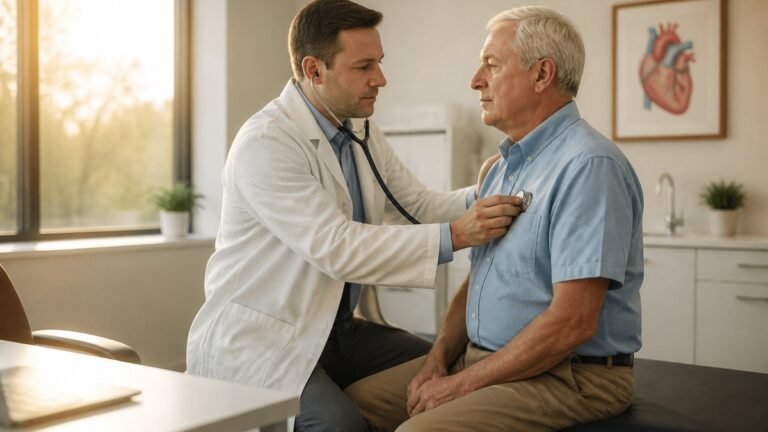
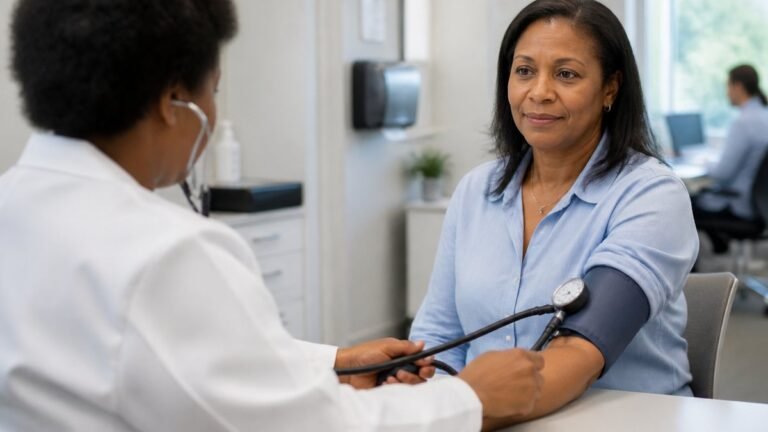
When you visit a vein or cardiovascular specialist, the process typically starts with a physical examination and a review of your health history. Duplex ultrasound is a widely used, non-invasive imaging tool that assesses blood flow and pinpoints where valve function may be compromised. Your provider uses these findings to determine the extent of the condition and whether intervention is worth discussing. Individual anatomy, symptom patterns, and overall vascular health all shape the evaluation, so no two assessments look exactly alike.
Exploring Common Treatment Approaches
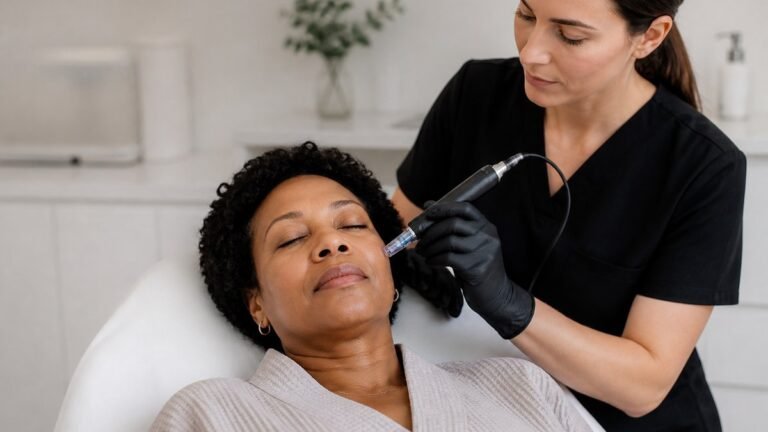
Treatment options range from conservative management to minimally invasive procedures, and your provider tailors any recommendation to your specific situation. They determine which option aligns with your anatomy and findings. Suitability depends on the severity of the condition, your overall health, and the results of your imaging evaluation. Options that may be discussed during a consultation include:
- Compression therapy: Graduated compression stockings support circulation and often form part of an initial management plan
- Sclerotherapy: An injected solution closes off the affected vein over time
- Thermal ablation: Laser or radiofrequency energy is applied to close the vein from within
- Ambulatory phlebectomy: A minimally invasive technique for removing superficial varicose veins through small incisions
Find Care for Varicose Veins
Varicose veins that are purely cosmetic may not require immediate medical attention. Changes such as skin discoloration near the affected vein, persistent swelling, or a sudden worsening of visible veins are worth discussing with a provider. Consistent, proactive engagement with cardiovascular care is a practical approach to managing vascular health over time. If you’ve noticed visible vein changes or have questions about your circulatory system, schedule an evaluation with a cardiovascular specialist.