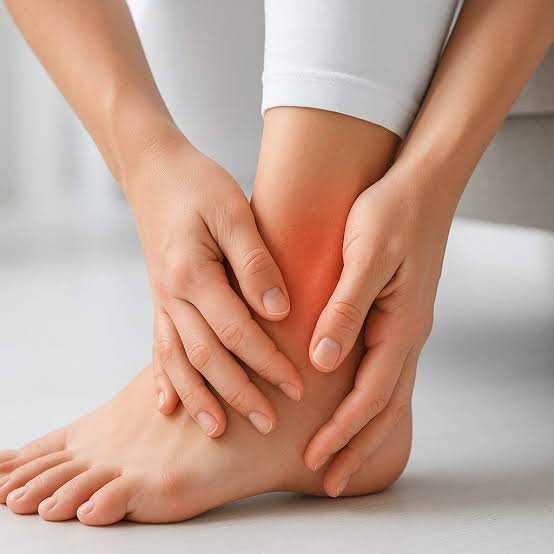
Osteoarthritis develops gradually as the protective cartilage at the ends of the bones wears down over time. Joints become painful, stiff, and swollen with cartilage wear, making routine activities like walking, climbing stairs, or gripping objects more difficult. An osteoarthritis specialist can help you manage symptoms; learn more about finding relief with help from an osteoarthritis specialist.
Medications
Nonsteroidal anti-inflammatory drugs (NSAIDs), including ibuprofen and naproxen, address both pain and swelling. For patients who need stronger pain management, ketamine and lidocaine can be prescribed. Choosing an osteoarthritis specialist that offers in-house intravenous pain management makes pain management easier. Long-term painkiller use is monitored to ensure chemical dependence and organ damage do not occur.
Injections
Corticosteroid injections deliver powerful anti-inflammatory medication into the affected joint and can reduce pain and swelling for several weeks or months. However, specialists typically limit how often these injections are given, as repeated use may contribute to further cartilage damage over time.
Hyaluronic acid injections, sometimes called viscosupplementation, are another option, most often used for osteoarthritis of the knee. Hyaluronic acid is a substance naturally found in joint fluid that helps lubricate and cushion the joint. Some specialists also offer platelet-rich plasma (PRP) injections, which use concentrated components of the patient’s own blood. Your osteoarthritis specialist can explain whether it may be appropriate for your condition or if other options are more suitable.
Physical Therapy
Strengthening the muscles surrounding an affected joint reduces the stress placed on the joint itself, which may lessen pain during daily activities. A physical therapist will evaluate your strength, flexibility, balance, and gait, then design an exercise program tailored to your specific limitations and goals. Physical therapy may include range-of-motion training, balance work to help prevent falls, and instruction on proper body mechanics.
Lifestyle Changes
Daily habits can affect how your osteoarthritis progresses and its impact on your life. Your specialist may suggest practical adjustments that complement medical treatment and help protect your joints over the long term. Common recommendations include:
- Maintaining a healthy weight: Reducing excess body weight decreases the load on weight-bearing joints such as the knees, hips, and lower back.
- Choosing low-impact exercise: Activities such as swimming, cycling, and walking can improve fitness without placing excessive strain on the joints.
- Using assistive devices: Canes, braces, shoe inserts, and jar openers can reduce joint stress during everyday tasks.
- Pacing daily activities: Alternating periods of activity with rest can help prevent flare-ups of pain and stiffness.
- Eating a balanced diet: Nutrient-rich foods support overall health and weight management.
Small, consistent changes often produce lasting benefits when combined with the other treatments your specialist recommends. Your osteoarthritis specialist can work with your other medical specialists to customize a lifestyle management plan for your arthritis care.
Contact Your Osteoarthritis Specialist
If joint pain, stiffness, or swelling is limiting your daily activities, schedule an appointment with an osteoarthritis specialist. Early evaluation and treatment can help you find relief and protect your joint health. If conservative treatments do not provide sufficient relief, your specialist can also discuss whether surgical options like joint replacement may be appropriate.
- What You Should Know Before Getting a Root Canal
- Finding a Dentist Who Understands Your Needs
- Understanding Urology Care and Its Impact on Men’s Well Being
- When To Get a CT Scan
- The Benefits of Follow-up Care After Orthopedic Surgery