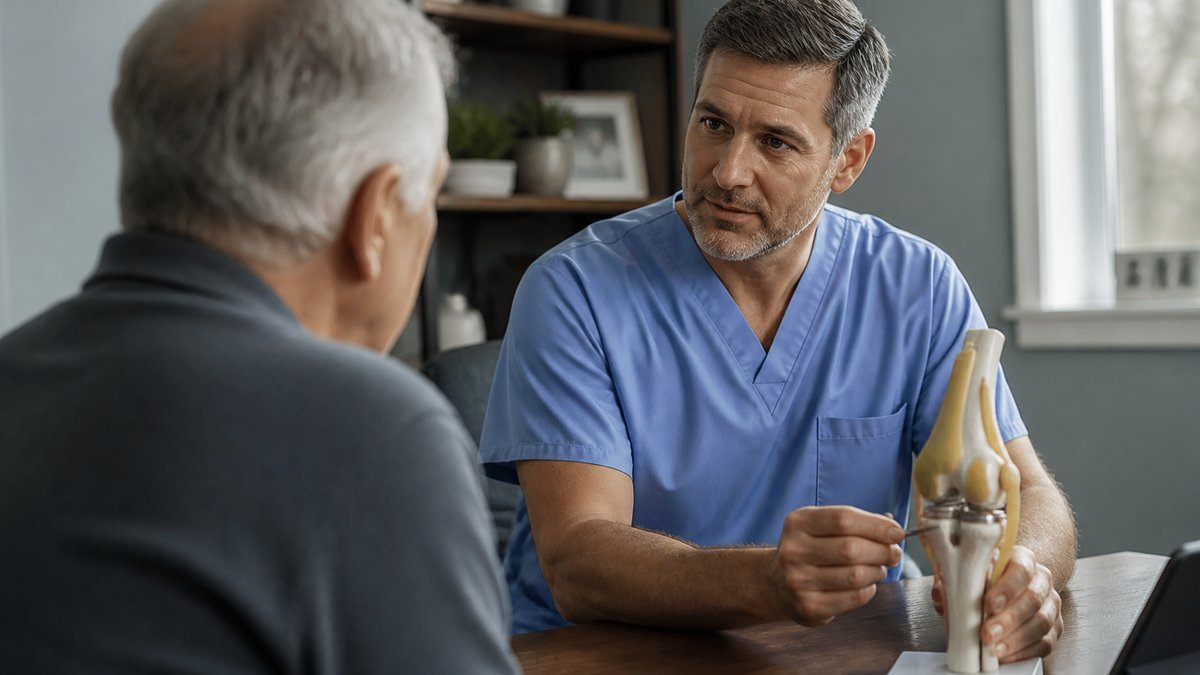
Orthopedic surgery treats problems in the bones, joints, ligaments, tendons, and muscles, and your recovery continues long after you leave the hospital or surgery center. Surgeons repair broken bones and replace worn-out joints, and they also rebuild torn ligaments. Follow-up visits give your care team a clear view of that recovery. Here are some of the benefits of follow-up care:
Detecting Complications Early
Some people may recover without major problems, but complications do occur after orthopedic surgery. Infection, blood clots, and nerve irritation are typical issues. Your provider checks for these issues at each visit because early signs are easy to miss at home. Report any of these signs at your next visit or sooner:
- Redness, warmth, or drainage at the incision
- Fever or chills
- Pain or swelling in the calf
- Numbness or tingling that spreads
- Pain that gets worse instead of better
If you notice chest pain or sudden shortness of breath, call 911 right away. Your surgeon knows the specific details of your procedure. Primary clinics treat many minor concerns, but they do not replace your surgeon’s follow-up exams.
Confirming Proper Bone Healing
When a surgeon repairs a fracture, the bone must grow across the break. This process happens slowly and out of sight. You may notice less pain over time, but pain alone does not reveal bone strength.
Your surgeon orders X-rays at follow-up visits, and these images show new bone forming around the injury. If the bone looks weak or out of line, your surgeon may limit your activity longer. Some patients also need a CT scan for a closer look.
Metal hardware also needs regular checks. Plates, screws, and rods hold everything in place while the bone heals around them. Most hardware causes no trouble, but loose screws or shifted plates occasionally appear on imaging. If needed, your healthcare provider will also assess your pain levels and mobility to make sure the healing process is progressing as expected.
Tracking Milestones
Recovery follows a general sequence of goals. When you reach one goal, your care team moves you toward the next. Early goals include walking with a walker, and later goals include climbing stairs or returning to work. Each patient moves at a different pace.
Follow-up visits measure your progress, and your provider records your range of motion, strength, and pain. Bring notes about difficult daily tasks to each appointment. When progress stalls, your surgeon looks for a cause such as scar tissue or weak muscles.
Adjusting Physical Therapy
Your physical therapy plan changes as your body heals. Your surgeon and therapist share updates after each follow-up visit. A surgeon may approve new exercises, or they may ask your therapist to slow things down. Adjustments include the following changes:
- Adding more weight-bearing activity
- Increasing resistance or repetitions
- Introducing balance and coordination drills
- Reducing intensity after a setback
Schedule Orthopedic Surgery Follow-ups
Before you leave the hospital, schedule your first follow-up appointment. Write down your surgeon’s phone number and save it in your contacts. Call your surgeon’s office if you notice warning signs between visits. Each appointment at an orthopedic clinic gives your team new information about your recovery.
- What You Should Know Before Getting a Root Canal
- Finding a Dentist Who Understands Your Needs
- Understanding Urology Care and Its Impact on Men’s Well Being
- When To Get a CT Scan
- The Benefits of Follow-up Care After Orthopedic Surgery