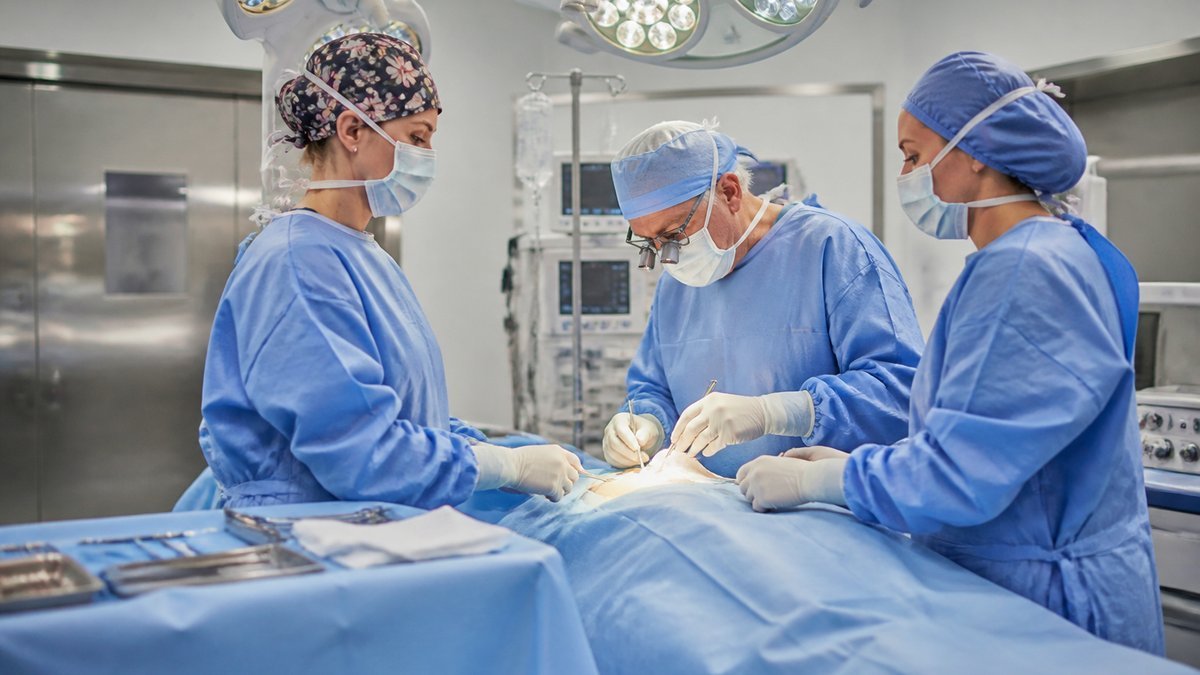
Skin cancer surgery removes cancerous or suspicious skin tissue, and the appropriate procedure depends on the lesion’s size, depth, type, and location. A dermatologist or surgeon may recommend surgery after a biopsy confirms a type of skin cancer is present. Mohs surgery, excision, and curettage are three common approaches, each involving a slightly different recovery process. Following your care team’s instructions can help support healing after your procedure. Here’s more information on post-operative care tips after skin cancer surgery:
How To Heal After Mohs
Mohs surgery removes skin cancer one thin layer at a time, and the surgeon examines each layer under a microscope while you wait. This skin cancer surgery process continues until no cancer cells remain in the sample. Because this surgery preserves as much healthy tissue as possible, Mohs surgery is often used on the face, ears, scalp, and hands. The procedure takes several hours, but most of that time is spent waiting for lab results. Most patients go home the same day.
Mild swelling, bruising, and tenderness near the site are common for the first few days. Your surgeon may suggest keeping the treated area elevated and limiting strenuous activity for one to two weeks. Some wounds are closed with sutures, but others are left open to heal on their own. For sutured wounds, keep the original bandage in place for 24 to 48 hours. After that, gently clean the area with mild soap and water, apply petroleum jelly, and cover it with a fresh bandage daily. Avoid soaking the wound.
For unsutured wounds, open wounds heal from the bottom up through a process called second intention healing. They often need daily cleaning and a moist dressing for several weeks, but Healing time depends on the wound’s size and depth. Keeping the wound covered and moist may help prevent a hard scab from forming.
How To Heal From Excision
Excision removes the tumor along with a margin of healthy skin, and the tissue is sent to a lab for testing. Most excision wounds are closed with stitches. Aftercare focuses on protecting the incision while it heals:
- Leave the first dressing on for the time your surgeon specifies, usually 24 to 48 hours.
- Clean the incision daily with mild soap and water, then pat it dry.
- Apply a thin layer of petroleum jelly to keep the area moist.
- Avoid heavy lifting, bending, or exercise that could strain the stitches.
- Use a cloth-wrapped ice pack for 10 to 15 minutes at a time to ease swelling.
Stitches are typically removed within one to three weeks; timing depends on the incision location. Contact your care team if you notice increasing redness, warmth, pus, fever, or bleeding that does not stop with steady pressure.
How To Manage Curettage and Excision
Curettage uses a spoon-shaped tool called a curette to scrape away cancerous tissue; dermatologists use it for small, superficial cancers. The surgeon may also use an electric needle to seal the area, a step called electrodesiccation. In some cases, an excision follows curettage to remove any remaining tissue. The resulting wound is usually left open to heal, and it often resembles a scrape or shallow burn. To help your wound heal after a curettage procedure:
- Clean the wound once or twice daily with soap and water.
- Keep it covered with petroleum jelly and a nonstick bandage.
- Avoid picking at any crust that forms.
- Protect the site from sun exposure, which can darken the developing scar.
Healing usually takes two to four weeks. The new skin may look pink at first, and it takes several months to fade. The final scar may appear lighter or flatter than the surrounding skin. If the procedure included an excision with stitches, follow the same incision care steps listed above until your follow-up visit.
Prepare for Skin Cancer Surgery
Schedule an appointment with a board-certified dermatologist if you notice a new growth, a mole that changes in size, shape, or color, or a sore that doesn’t heal correctly. Before your procedure, ask your surgeon about expected recovery time and wound care supplies you will need. This will help you stock up on appropriate supplies while noting what activity restrictions your provider recommends post-operation. Planning ahead allows you to effectively focus on rest and recovery after surgery.
- What You Should Know Before Getting a Root Canal
- Finding a Dentist Who Understands Your Needs
- Understanding Urology Care and Its Impact on Men’s Well Being
- When To Get a CT Scan
- The Benefits of Follow-up Care After Orthopedic Surgery