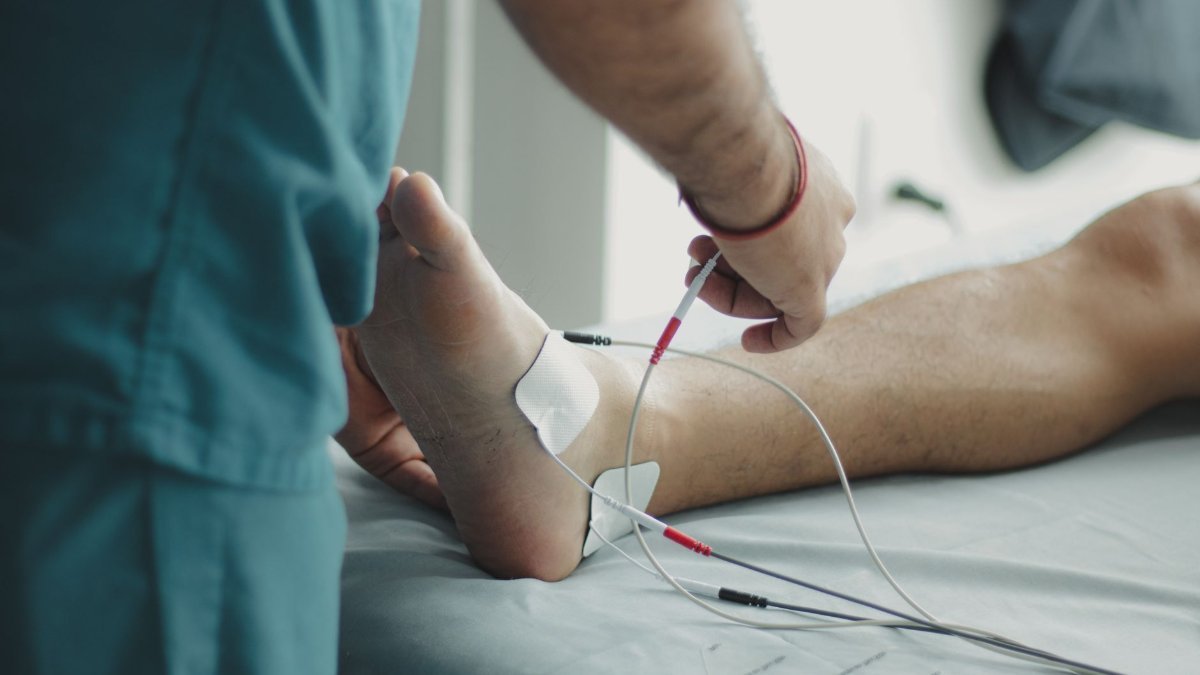
Diabetes affects how the body produces or uses insulin, the hormone that moves glucose from the blood into cells. In Type 1 diabetes, the immune system attacks the pancreas’s insulin-producing cells, so the body makes little or no insulin. Type 2 diabetes develops when the body becomes resistant to insulin or doesn’t produce enough to keep blood sugar in a normal range. Both types lead to elevated blood sugar levels, which may damage blood vessels and nerves throughout the body over time. These changes can reduce blood flow to the skin and limit the body’s ability to heal injuries. Here’s more information on diabetic wound care:
Visit a Specialist Regularly
Many people lose a limb because of complications from a diabetic wound, but an estimated 85% of diabetic amputations are preventable. Many of these amputation cases begin with a diabetic foot ulcer, which is an open sore that often forms on the bottom of the foot or under the toes. Without proper treatment, an ulcer may become infected and spread to deeper tissue. Professional diabetic wound care can help foot ulcers heal and reduce amputation risk by managing and tracking your condition. A wound care specialist can evaluate blood flow, remove damaged tissue, and recommend dressings or offloading devices that take pressure off the wound.
Check Your Feet for Injuries
Many specialists recommend that people with diabetes check their feet every day. To check for injuries thoroughly, look at the tops and bottoms of your feet, your heels, and the spaces between your toes. If you cannot easily see the bottoms of your feet, use a mirror or ask a family member for help. Watch for cuts, blisters, redness, swelling, calluses, or changes in skin color. Daily checks are especially necessary for people with diabetic neuropathy, which is a type of nerve damage caused by prolonged high blood sugar.
People with neuropathy may experience tingling, burning, or numb sensations in their feet. A person with reduced feeling may not notice a pebble in a shoe or a blister from a tight sock. When a small injury goes unnoticed for days, you may develop an ulcer. Contact a specialist if a wound doesn’t start to improve within a few days, or seek immediate care if you notice worsening pain or any foul odors.
Manage Your Diabetic Condition
High glucose levels can narrow and stiffen blood vessels over time, causing reduced circulation. This means less oxygen and fewer nutrients reach injured tissues. Wounds that don’t receive adequate blood flow heal more slowly, but keeping your blood sugar within your target range helps protect your foot health. Following your health care team’s care plan supports healthier circulation, which may include:
- Medication
- Regular Glucose Monitoring
- Physical Activity
- A Balanced Diet
Avoiding tobacco is also beneficial because smoking further restricts blood flow. Good diabetes management will not prevent every wound. It can, however, help create conditions that allow the body to repair tissue more efficiently.
Get Routine Diabetic Wound Care
For specialized diabetic wound care, schedule an appointment with a wound specialist to discuss a plan that fits your needs. A specialist experienced in diabetic wound care understands how high blood sugar, neuropathy, and poor circulation affect healing. In addition to at-home care, routine medical visits help protect your feet and mobility so you can keep living comfortably. Find a specialist near you today.
- What You Should Know Before Getting a Root Canal
- Finding a Dentist Who Understands Your Needs
- Understanding Urology Care and Its Impact on Men’s Well Being
- When To Get a CT Scan
- The Benefits of Follow-up Care After Orthopedic Surgery