The topic of voting districts frequently appears in political coverage, especially in reporting and analysis similar to what readers encounter in the New York Times. When people search for voting districts NYT, they are usually trying to understand what voting districts are, how they are created, how they affect elections, and why they are often at the center of political debate. This SEO-optimized, user-friendly, and in-depth article explains voting districts in clear human language, breaking down their purpose, structure, controversies, and real-world impact on democracy.
What Are Voting Districts?
Voting districts are defined geographic areas created for the purpose of organizing elections and representation.
Simple Definition
A voting district is a specific area where residents vote for the same candidates in local, state, or national elections.
Why Voting Districts Exist
- To organize elections efficiently
- To ensure fair representation
- To divide large populations into manageable sections
- To assign elected officials to specific communities
Without voting districts, it would be difficult to conduct structured and representative elections.
Why Voting Districts Are Often Discussed in the News
Voting districts are more than just lines on a map.
Reasons They Attract Media Attention
- They influence election outcomes
- They affect political power
- They shape representation in government
- They are often redrawn after population changes
Coverage similar to NYT-style reporting focuses on how these districts affect real voters.
How Voting Districts Are Created
The process of creating voting districts is complex and highly regulated.
Population-Based Design
Equal Representation Principle
Voting districts are typically drawn to contain roughly equal populations so that each vote carries similar weight.
Legal and Constitutional Guidelines
Rules That Must Be Followed
- Compliance with national and local laws
- Protection of minority voting rights
- Respect for natural and administrative boundaries
These rules aim to promote fairness and prevent discrimination.
Who Draws Voting Districts
The authority to draw districts varies by location.
Legislative Control
Common Practice
In many places, state legislatures control district boundaries.
Independent Commissions
Alternative Approach
Some regions use independent or bipartisan commissions to reduce political bias.
Judicial Oversight
Role of Courts
Courts may intervene if district maps are challenged as unfair or unconstitutional.
Types of Voting Districts
Voting districts exist at multiple levels of government.
Congressional Districts
Purpose
Used to elect representatives to national legislatures.
State Legislative Districts
Function
Elect officials to state-level assemblies or senates.
Local Voting Districts
Examples
- City council districts
- School board districts
- County-level representation
Each type plays a role in shaping governance.
Why Voting Districts Change Over Time
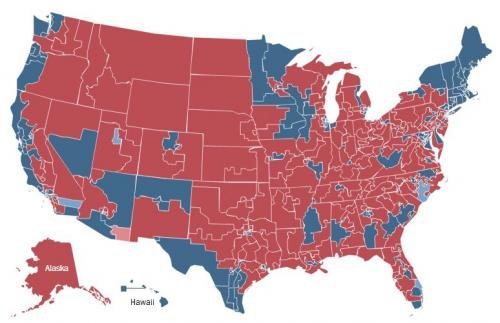
Voting districts are not permanent.
Population Shifts
Impact
As people move, districts must be adjusted to maintain equal representation.
Census Data
Why It Matters
Population counts are used to redraw district boundaries.
Urban Growth and Rural Decline
Effect
Growing cities may gain districts, while shrinking areas may lose them.
Redistricting Explained
Redistricting is the process of redrawing voting district boundaries.
When Redistricting Happens
Typical Timing
Redistricting usually occurs after a census cycle.
Goals of Redistricting
Stated Objectives
- Balance population
- Reflect demographic changes
- Update representation
Political Reality
Underlying Tension
Redistricting can be influenced by political interests.
Gerrymandering and Voting Districts
One of the most controversial issues surrounding voting districts is gerrymandering.
What Is Gerrymandering?
Simple Explanation
Gerrymandering is the practice of drawing district boundaries to favor a particular political party or group.
How Gerrymandering Works
Common Techniques
- Packing voters into one district
- Cracking voter groups across multiple districts
- Creating oddly shaped districts
Why Gerrymandering Is Controversial
Concerns
- Distorts voter representation
- Reduces competitive elections
- Weakens trust in democracy
This issue is frequently examined in in-depth political reporting.
How Voting Districts Affect Elections
District boundaries have a direct impact on election outcomes.
Voter Influence
Why It Matters
Where you live determines which candidates you can vote for.
Election Competitiveness
Impact
Some districts become safely controlled by one party, reducing competition.
Voter Turnout
Connection
Voters may feel discouraged if outcomes seem predetermined.
Representation and Accountability
Voting districts shape how representatives serve their communities.
Community Representation
Importance
Effective districts group communities with shared interests.
Access to Representatives
Benefit
Clear districts help voters know who represents them.
Policy Priorities
Result
Representatives often focus on issues affecting their district.
Minority Representation in Voting Districts
District design plays a role in protecting minority voting rights.
Majority-Minority Districts
Purpose
These districts ensure minority groups have a fair chance to elect candidates of their choice.
Legal Protections
Why They Exist
To prevent discrimination and voter suppression.
Ongoing Debates
Challenges
Balancing fairness with political neutrality remains complex.
Why the NYT Covers Voting Districts in Detail
In-depth reporting helps readers understand democratic systems.
Explaining Complex Systems
Journalistic Goal
Break down technical topics for general audiences.
Highlighting Real-World Impact
Focus
Stories often show how district lines affect everyday voters.
Data and Visualization
Approach
Maps and analysis are used to explain boundary changes.
Public Accountability
Role
Media scrutiny promotes transparency in redistricting.
Common Questions Readers Have About Voting Districts
Search trends reveal common confusion.
“Why Is My District Shaped This Way?”
Often related to political compromise or gerrymandering.
“Can Districts Be Challenged?”
Yes, through legal and judicial processes.
“Do Voting Districts Affect National Elections?”
Yes, especially in representative systems.
Voting Districts and Democracy
The structure of districts directly influences democratic health.
Fair Representation
Core Principle
Every vote should carry similar weight.
Public Trust
Why Important
Transparent districts increase confidence in elections.
Political Balance
Outcome
Well-designed districts encourage competition and accountability.
Challenges Facing Voting District Systems
Despite rules and oversight, challenges remain.
Political Polarization
Issue
Partisan interests influence district drawing.
Complex Demographics
Difficulty
Balancing race, geography, and population is challenging.
Legal Disputes
Reality
Redistricting often leads to court battles.
Reform Efforts and Future Trends
Many regions are exploring reforms.
Independent Redistricting Commissions
Goal
Reduce political bias.
Public Input
Trend
Greater transparency and community involvement.
Technology Use
Development
Advanced mapping tools increase accuracy but also complexity.
Why Understanding Voting Districts Matters
Knowledge empowers voters.
Informed Participation
Benefit
Voters better understand how systems affect their voice.
Civic Engagement
Result
Awareness encourages participation beyond voting.
Policy Awareness
Outcome
Understanding districts clarifies political outcomes.
How Readers Should Approach Voting District Coverage
Critical reading improves understanding.
Look Beyond Headlines
Tip
Understand context and historical background.
Compare Multiple Sources
Advice
Different analyses reveal different perspectives.
Focus on Impact
Key Question
Who benefits and who is affected?
Conclusion
The topic of voting districts, often explored in depth in NYT-style reporting, is central to how democratic systems function. Voting districts determine representation, influence election outcomes, and shape political power at every level of government. While designed to promote fairness and organization, they also raise concerns about gerrymandering, representation, and voter trust. By understanding how voting districts are created, changed, and challenged, readers become better-informed citizens capable of engaging more thoughtfully in democratic processes. Clear, transparent, and fair voting districts are essential to maintaining public confidence and ensuring that democracy truly reflects the will of the people.

