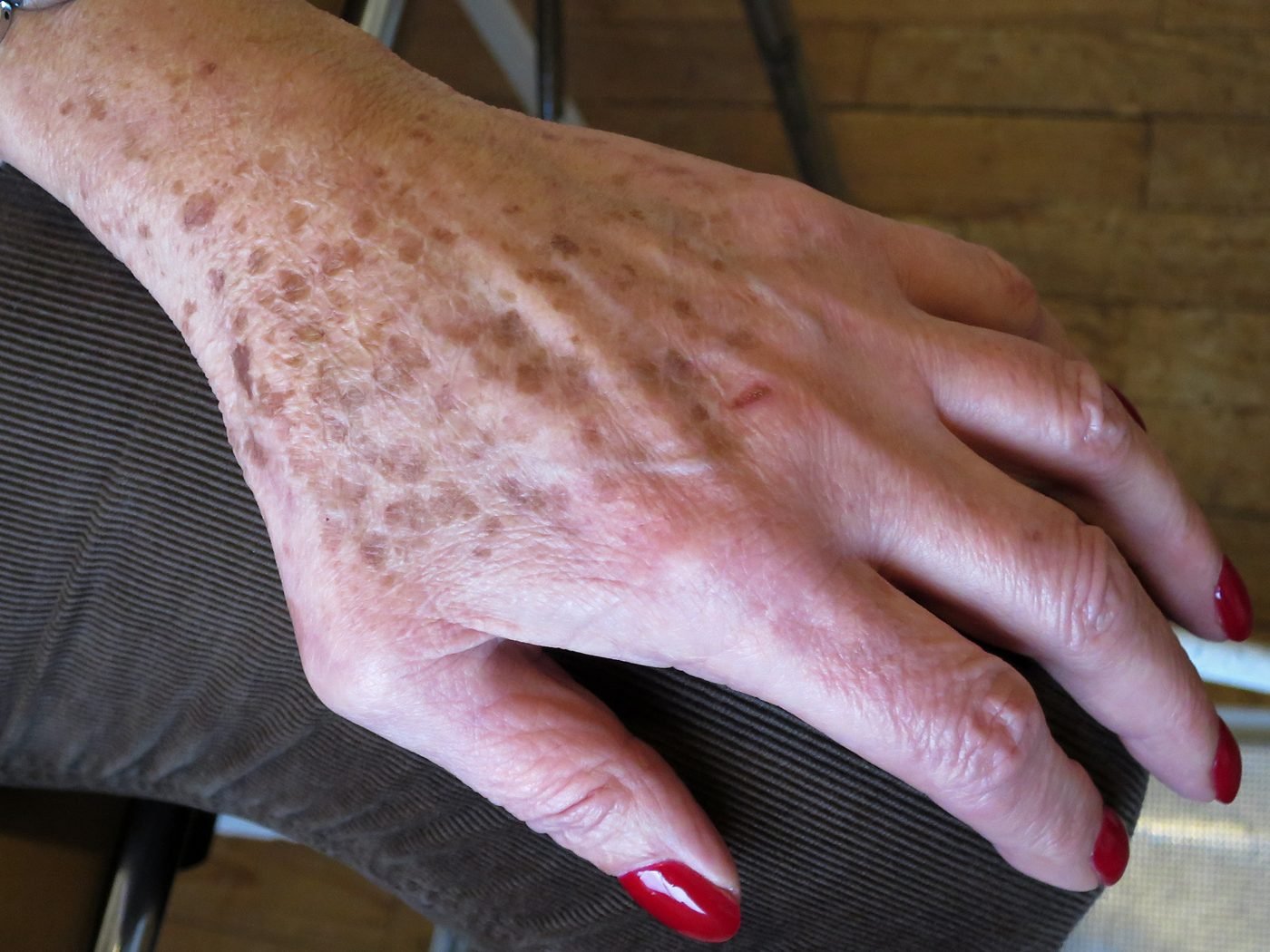
A skin cancer specialist diagnoses and treats abnormal skin growths using biopsies, surgical removal, and reconstructive techniques. Choosing the right specialist involves reviewing their services and experience with specific cancer types, as these factors influence treatment outcomes. A consultation typically includes a physical exam and a review of your medical history; you should also expect a discussion of treatment options. Here is more information on what a skin cancer specialist is, what services they offer, what a consultation involves, and how to find the right provider for your needs:
What Is a Skin Cancer Specialist?
A skin cancer specialist is a dermatologic surgeon who diagnoses and treats cancerous or precancerous skin conditions; their training covers surgical techniques such as excision and Mohs micrographic surgery. Some complete a fellowship in Mohs surgery, which allows them to remove tumors layer by layer while preserving healthy tissue. This precision makes Mohs surgery well-suited for complex cases. Because skin cancer cases vary widely in scope and location, access to a multidisciplinary team enables more comprehensive care.
What Services Do They Offer?
Dermatologic surgeons provide a range of services tied to skin cancer detection and treatment. These typically include:
- Full-body skin examinations to identify suspicious lesions
- Biopsies to confirm whether a growth is cancerous
- Surgical removal procedures, including Mohs surgery and standard excision
Some specialists also offer long-term monitoring. Regular follow-up visits track new or recurring growths, particularly for patients with a history of skin cancer.
What Does a Consultation Involve?
A first consultation generally starts with a physical examination of the affected area. The specialist will review the patient’s medical history and any prior biopsy results, and they will ask about family history, sun exposure patterns, and previous skin conditions. Since this information helps determine the right treatment option, provide accurate, complete details.
After the exam, the specialist will explain the diagnosis, and they will outline available treatment options. Patients can ask questions about scarring, downtime, and follow-up care, as this conversation should also cover expected outcomes and recovery timelines. A clear conversation at this stage sets expectations for the rest of treatment.
How Is a Specialist Chosen?
Selecting a dermatologic surgeon begins with confirming training in skin cancer and Mohs surgery, as these credentials indicate specialized education beyond general dermatology. Experience matters. Review the procedures a specialist performs; this information can be found on their website. Location and scheduling flexibility should also be factored into the decision, especially for patients who need multiple visits during treatment and recovery. Consulting a specialist helps determine how they will address each unique situation.
Seek Professional Guidance Today
Choosing a skin cancer specialist involves more than checking credentials; it requires finding a dermatologic surgeon whose experience matches your diagnosis and whose communication style matches your needs. Reviewing their training background and available services gives you a clearer idea of the right fit for your care. If you have noticed a new or changing skin growth, schedule a consultation with a dermatologic surgeon. Early evaluation may lead to simpler treatment and better long-term outcomes.
- The Role of Medical Spas in Your Beauty Routine
- Finding Your Path to Holistic Wellness
- How To Choose the Right Skin Cancer Specialist for Your Needs
- How OB/GYN Care Guides Preventive Health Screening at Every Stage of Life
- Signs That You Need To Call an Emergency Dentist