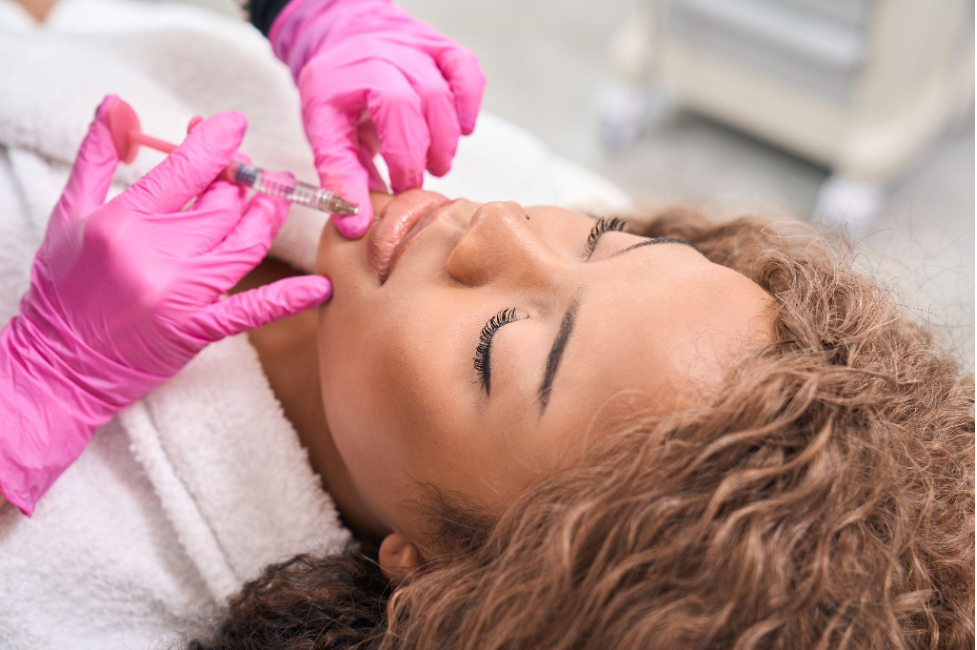
A beauty routine is the set of habits and products a person uses to care for their skin and overall appearance. Daily skincare steps often include cleansing, moisturizing, and applying sunscreen. Some aesthetic goals, such as addressing fine lines or uneven tone, may call for treatments beyond what at-home products offer. Medical spas offer key cosmetic services, performed or supervised by licensed medical professionals who can assess your skin and recommend treatments aligned with your personal skincare goals. Here’s information on the role of medical spas in supporting your beauty routine:
Addressing Volume Loss
As people reach middle age, their face may gradually lose volume due to changes in fat, bone, and collagen. Dermal fillers and Botox are two common options a medical spa offers to address these changes. Dermal fillers are gel-like substances, often made with hyaluronic acid, that are injected beneath the skin. They add volume to areas such as the cheeks, lips, and nasolabial folds.
Botox is a neuromodulator that temporarily relaxes targeted facial muscles, which may soften the appearance of dynamic wrinkles like crow’s feet and forehead lines. Fillers address lost volume, while Botox targets lines caused by muscle movement. Biostimulatory fillers made with poly-L-lactic acid take a different approach to adding facial volume.
Instead of providing immediate volume, they stimulate the body’s own collagen production over several months. A provider may recommend this option for someone with gradual, widespread volume loss who prefers subtle results that develop over time. Treatment typically involves a series of sessions spaced several weeks apart.
Improving Skin Tone and Texture
Many cosmetic treatments can improve skin tone and texture, depending on your skin type and personal goals. Chemical peels are one option where a solution is applied to the skin to remove damaged outer layers. These peels range from light to deep, depending on the acid used and its concentration. Light peels involve little downtime, but deeper peels require a longer recovery period. Providers often recommend peels for concerns like:
- Sun Damage
- Dullness
- Uneven Pigmentation
Microneedling is another option, which uses a device with fine needles to create controlled micro-injuries in the skin. This process prompts the skin’s natural repair response, which may improve the look of acne scars, enlarged pores, and fine lines. If you are interested in other ways to comprehensively support your skin health, infusion therapy may benefit your beauty routine. NAD+ IV therapy delivers nicotinamide adenine dinucleotide, a coenzyme found in every cell, directly into the bloodstream. NAD+ supports cellular energy and repair, so some people add this therapy to their routine as part of a broader wellness approach.
Benefiting Aging Skin
PDO (polydioxanone) threads are dissolvable sutures made from polydioxanone, a material used in surgical settings for decades. A provider inserts the threads beneath the skin to lift and reposition sagging tissue along the jawline, cheeks, or brows. As the threads dissolve over several months, they may also encourage collagen production in the treated area. This option may suit people who want a subtle lift without surgery.
Platelet-rich plasma injections use a concentrated solution derived from your own blood. A provider draws a small blood sample and spins it in a centrifuge to separate the platelets. The provider then injects the concentrated plasma into the under-eye area. Platelets contain growth factors that support tissue repair and collagen production, which can help improve the look of thin or sagging under-eye skin. Results develop gradually, and multiple sessions are often recommended.
Visit a Medical Spa
Before booking an appointment, research each medical spa’s services, staff, and credentials. Review a few spas’ websites for a full list of treatments and the professionals who perform them. Confirm that a licensed physician oversees the practice, and check that injectors hold active licenses as nurses, physician assistants, or nurse practitioners. You can verify these credentials through your state’s medical or nursing board. During a consultation, ask about the provider’s training in specific treatments and whether the products they use are FDA-approved. A reputable medical spa will answer these questions clearly and create a treatment plan based on your individual skincare goals.
- The Role of Medical Spas in Your Beauty Routine
- Finding Your Path to Holistic Wellness
- How To Choose the Right Skin Cancer Specialist for Your Needs
- How OB/GYN Care Guides Preventive Health Screening at Every Stage of Life
- Signs That You Need To Call an Emergency Dentist