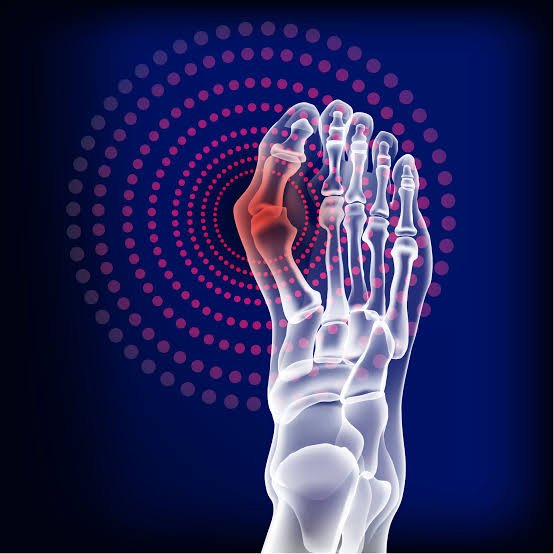
Arthritis causes joint pain, stiffness, and swelling, which can affect mobility and everyday activities. Different types of arthritis have distinct causes and symptoms, making proper diagnosis fundamental for effective treatment. Here is more information on arthritis and joint pain:
What Types of Arthritis Exist?
Arthritis is not a single condition, and understanding the differences helps you recognize what you may experience. Doctors classify each type by its cause and how it affects the joints. Here are two common forms that appear often in adults and older adults, though many other types exist.
Osteoarthritis
Osteoarthritis develops when the protective cartilage that cushions the ends of bones wears down over time. It commonly affects the knees, hips, hands, and spine, and the risk increases with age. Some people experience pain after activity, and stiffness often appears in the morning or after periods of rest. While the condition progresses gradually, treatment can help maintain movement and reduce discomfort.
Rheumatoid Arthritis
Rheumatoid arthritis occurs when the body’s immune system attacks the lining of the joints. It usually affects joints on both sides of the body, and it can involve the wrists, hands, and knees at the same time. Symptoms may include swelling, warmth, and fatigue, and they vary from day to day.
Which Joint Symptoms Occur?
Arthritis symptoms often build slowly, so paying attention to early changes helps. Pain, stiffness, and swelling are frequent signs, and some people notice reduced range of motion as the condition advances. You may feel warmth around a joint or hear grinding sounds when you move. Tracking when symptoms appear and how long they last gives your doctor useful details for evaluation.
How Is It Diagnosed?
A diagnosis begins with a review of your medical history and a physical examination of the affected joints. Your doctor checks for swelling, warmth, and limited movement, and they may ask about the timing and pattern of your pain. Imaging tests such as X-rays or MRIs show the condition of the cartilage and bone, and blood tests can reveal signs of inflammation or specific markers linked to certain arthritis types. These results guide the treatment plan, and they help distinguish one form of arthritis from another.
How Does One Manage Inflammation?
Managing arthritis focuses on reducing pain, controlling inflammation, and preserving joint function. A treatment plan usually combines several approaches, and your doctor adjusts it as your needs change. Here are some common strategies, though the right mix depends on your diagnosis and overall health:
- Physical therapy: Guided exercises strengthen the muscles around a joint, improve flexibility, and support movement.
- Medication: Anti-inflammatory drugs and pain relievers can ease discomfort.
- Weight management: Reducing excess weight lowers stress on weight-bearing joints such as the knees and hips.
- Assistive devices: Braces, canes, and specialized tools support daily activities, and they help protect vulnerable joints.
- Surgery: When other methods no longer relieve symptoms, procedures such as joint repair or replacement may restore function.
Schedule Your Arthritis Appointment Today
Arthritis affects joints in different ways, and recognizing its types, symptoms, and diagnostic steps helps you take action. Treatment plans combine therapy, medication, lifestyle changes, and, in some cases, surgery to manage pain and protect movement. An orthopedic evaluation gives you a clear picture of your condition, and it connects you with strategies suited to your needs. Contact a qualified orthopedic surgeon near you to schedule your arthritis appointment today.
- The Role of Medical Spas in Your Beauty Routine
- Finding Your Path to Holistic Wellness
- How To Choose the Right Skin Cancer Specialist for Your Needs
- How OB/GYN Care Guides Preventive Health Screening at Every Stage of Life
- Signs That You Need To Call an Emergency Dentist