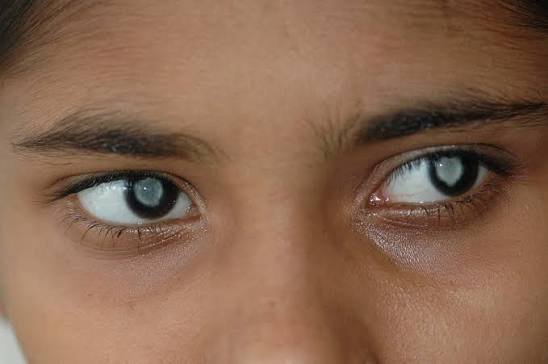
Cataracts develop when the eye’s natural lens becomes cloudy, which causes blurred vision, glare, faded colors, and difficulty seeing at night. Different types of cataracts can affect separate parts of the lens and develop for various reasons. Here is an overview of the main types of cataracts:
Nuclear Cataracts
Nuclear cataracts develop in the center, or nucleus, of the lens. Vision may turn hazy at a distance first, while colors often look yellow or brown as the lens hardens over time. Some people notice a temporary improvement in close-up reading before their sight gradually worsens. The following signs often point to a nuclear cataract:
- Distance blur: Faraway objects, like road signs or faces across a room, lose their sharpness.
- Color shifts: Whites appear dull, and hues take on a yellow or brownish tint.
- Second sight: A brief boost in near vision may appear early, then fade as the cataract matures.
Cortical Cataracts
Cortical cataracts begin at the outer edge of the lens, called the cortex, and they grow inward in a wedge or spoke shape. As these wedges reach the center, they scatter incoming light, so glare and halos around lights become noticeable. Driving at night often feels harder, and bright sunlight can create sharp discomfort.
People with this cataract type often report trouble with contrast, which makes it harder to tell similar shades apart. Depth perception may also change, which affects how you judge steps or curbs. A specialist can confirm the pattern through a dilated eye exam, and the results clarify how far the cataract has spread.
Posterior Subcapsular Cataracts
Posterior subcapsular cataracts develop at the back of the lens, directly in the path of light entering the eye. These cataracts often develop faster than other types, and they can affect younger adults as well as older ones. Reading may become frustrating, while bright light tends to worsen the blur rather than help it. Watch for the following patterns:
- Reading difficulty: Small print blurs even with good lighting or updated glasses.
- Light sensitivity: Sunlight and lamps create glare that clouds central vision.
- Halos at night: Rings around lights appear, especially while driving after dark.
These symptoms can change quickly, so prompt attention is helpful when they interfere with daily tasks. A specialist can distinguish this type from others and explain how it affects your central vision.
Less Common Cataracts
Beyond the three main types, several less common cataracts exist, and their causes vary widely. Congenital cataracts appear at birth or in childhood, while others follow an eye injury, a health condition, or long-term use of certain medications. These forms develop at any age, and their symptoms depend on where the clouding is within the lens. Some people develop more than one type at once, and this overlap can complicate how vision changes feel. A specialist can identify the specific pattern and recommend retinal care when other eye structures need review.
Schedule Your Cataracts Appointment Today
Cataracts affect vision in varying ways depending on the type and severity of the clouding in the lens. While some individuals may experience overlapping types, detailed evaluations by a specialist clarify the specific pattern and guide the most appropriate care. If you notice vision changes that glasses cannot correct, seeking a professional assessment is key. Contact a qualified eye specialist near you to schedule your appointment for cataracts today.
- The Role of Medical Spas in Your Beauty Routine
- Finding Your Path to Holistic Wellness
- How To Choose the Right Skin Cancer Specialist for Your Needs
- How OB/GYN Care Guides Preventive Health Screening at Every Stage of Life
- Signs That You Need To Call an Emergency Dentist