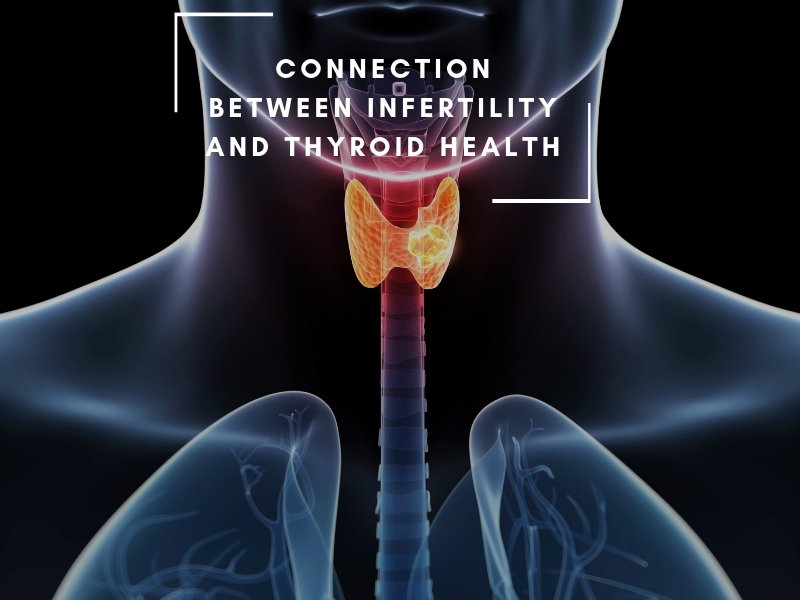
Thyroid hormones help regulate several bodily functions, including those involved in reproductive health. When thyroid hormone levels are too high or too low, they can affect menstrual cycles, ovulation, and fertility. An endocrinologist identifies thyroid imbalances that may interfere with fertility, and they develop treatment plans to support hormonal health. Here is more information about the role of endocrinologists in managing thyroid disorders and fertility:
Provides Diagnosis and Testing
When you first meet with an endocrinologist, the visit usually starts with a review of your symptoms. Common signs of thyroid imbalance include fatigue, weight changes, hair thinning, sensitivity to cold or heat, and irregular periods. These symptoms overlap with many other conditions, so lab testing guides the diagnosis. A thyroid panel often includes:
- Thyroid-stimulating hormone: Shows how hard the pituitary gland is working to prompt thyroid hormone production
- Free T4: Measures the main hormone the thyroid releases
- Free T3: Measures the active form of thyroid hormone
- TPO antibodies: Point to autoimmune conditions such as Hashimoto’s thyroiditis
Your endocrinologist may order a thyroid ultrasound if the physical exam reveals a nodule or enlargement. For fertility concerns, testing sometimes includes prolactin, a hormone that affects ovulation. Bring copies of previous lab results to your appointment; past and current values show how your thyroid function has changed over time.
Supports Preconception Planning
Both an underactive thyroid and an overactive thyroid are associated with irregular cycles and difficulty conceiving. During the first trimester, a developing baby relies on the mother’s thyroid hormone because its own thyroid is not yet fully working. During a preconception visit, an endocrinologist may:
- Adjust thyroid hormone treatment to help bring TSH levels within a target range before conception
- Review treatment for an overactive thyroid and discuss how different treatment options may affect early pregnancy
- Explain how long to wait before trying to conceive after radioactive iodine treatment
- Coordinate care with your OB-GYN or fertility specialist to support thyroid management before and during pregnancy
If you are going through IVF, ovarian stimulation raises estrogen levels. Higher estrogen increases a protein that binds thyroid hormone, which may change how much medication you need. Your endocrinologist and fertility clinic often share lab results to time any dose changes.
Monitors Hormone Levels
Thyroid needs shift during pregnancy, and many people who take thyroid hormone treatments require a higher dose soon after conception. Report a positive pregnancy test to your endocrinologist right away. Some doctors give patients advance instructions to increase their dose at that point, then confirm the change with blood work. Labs are frequently repeated during the first half of pregnancy and at least once later on. Monitoring continues after delivery. Postpartum thyroiditis, an inflammation of the thyroid that affects some people within a year of giving birth, may cause temporary hyperthyroidism followed by hypothyroidism.
Work With an Endocrinologist
Thyroid disorders and fertility involve overlapping hormone systems, and an endocrinologist focuses on how those systems interact. Testing, preconception planning, and ongoing monitoring each give you and your care team specific information to act on. Schedule a consultation with an endocrinologist today if you have a thyroid condition and plan to conceive.
- What You Should Know Before Getting a Root Canal
- Finding a Dentist Who Understands Your Needs
- Understanding Urology Care and Its Impact on Men’s Well Being
- When To Get a CT Scan
- The Benefits of Follow-up Care After Orthopedic Surgery