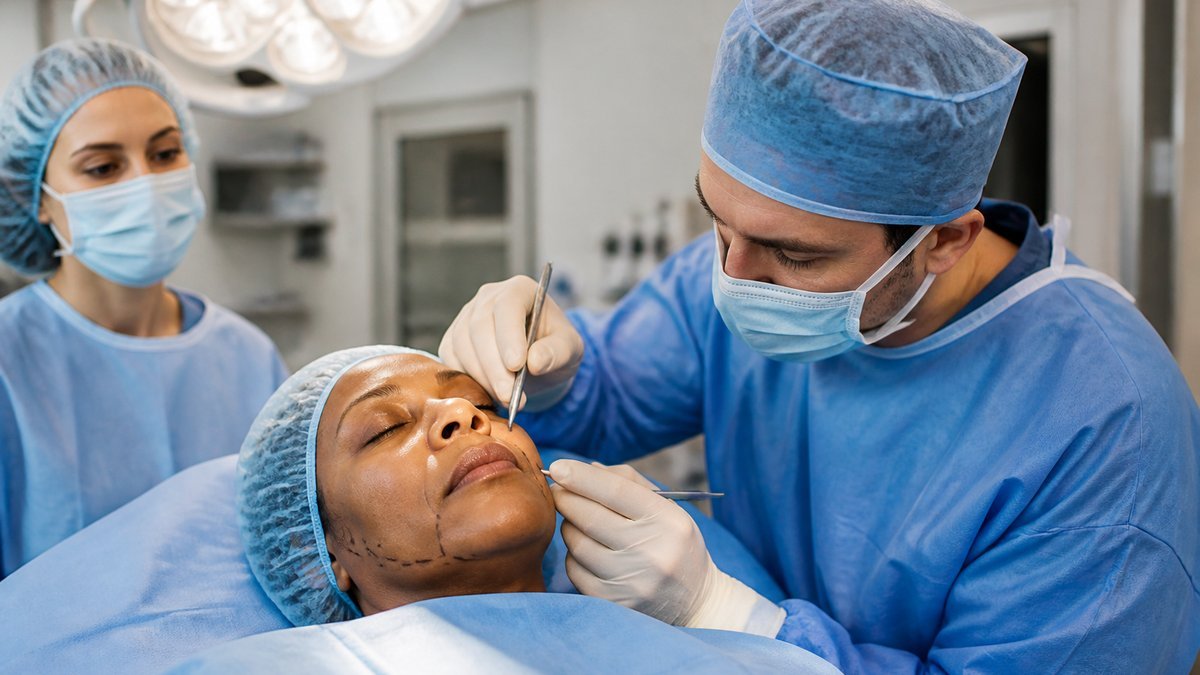
A facelift, clinically called a rhytidectomy, is a cosmetic surgical procedure that targets the lower face and neck. During the procedure, surgeons lift and reposition the skin and underlying tissue; then they remove any excess skin to refine the facial contours. Here’s more information to help you understand facelifts:
Preparing for Your Consultation
The consultation is where the facelift process begins, and arriving prepared can make it more productive. A qualified surgeon reviews your medical history, examines your facial structure, and outlines the techniques suited to your anatomy. Bring a written list of questions, because covering key topics, such as potential risks and recovery timelines, helps you gather the information you need.
Before surgery, your care team will provide pre-operative instructions. These may include completing lab work, adjusting certain medications, and arranging transportation home on the day of surgery. Following these steps precisely is a fundamental part of preparing well. A licensed medical professional assesses facelift candidacy on an individual basis. Surgeons may evaluate the following factors:
- Overall health: Current medical conditions and medications are reviewed in full.
- Smoking status: Surgeons may advise patients to stop smoking for a designated period before and after surgery.
- Skin and facial structure: Bone structure and skin elasticity are both assessed.
- Realistic expectations: Surgeons clarify what the procedure addresses and what it does not.
Navigating the Surgical Process
A facelift takes place in a hospital, an accredited surgical center, or an office-based surgical suite. The surgeon administers either general anesthesia or intravenous sedation, and incision placement varies depending on the technique selected. Hairline and ear-adjacent locations are two possible choices. Once the incisions are made, the surgeon lifts and repositions the underlying tissue and muscle, trims excess skin, and closes the incisions with sutures or skin adhesives. Some patients undergo a facelift alongside complementary procedures, such as a neck lift or eyelid surgery. Your surgeon can outline which combinations are applicable to your situation and how they would affect the overall timeline. Procedure length also varies, so ask your surgeon for a specific time estimate during your consultation.
Managing Recovery and Aftercare
Recovery timelines differ from patient to patient; your surgeon will provide a tailored aftercare plan. Dressings and small drainage tubes may be placed immediately following surgery. These are addressed at follow-up appointments, where sutures and drains are also removed. Your care team can give you precise guidance on sleeping position, activity restrictions, and when it is appropriate to resume exercise.
Preparing your home in advance helps simplify recovery. Set up a dedicated rest area, stock up on necessary supplies, and arrange for assistance during the first several days. Plan your time away from work according to your surgeon’s specific recommendations, and contact the office promptly if you notice anything unexpected during your recovery, such as a fever.
Learn More About Facelifts
A facelift is a structured surgical process that involves a consultation, pre-operative preparation, the procedure itself, and aftercare. Each stage requires active participation; asking questions, following instructions, and maintaining clear communication with your care team promotes a successful experience. Your surgeon is a reliable resource throughout the process, providing guidance tailored to your health and circumstances. If you’re contemplating a facelift, research board-certified surgeons in your area and schedule an initial consultation.
- What You Should Know Before Getting a Root Canal
- Finding a Dentist Who Understands Your Needs
- Understanding Urology Care and Its Impact on Men’s Well Being
- When To Get a CT Scan
- The Benefits of Follow-up Care After Orthopedic Surgery