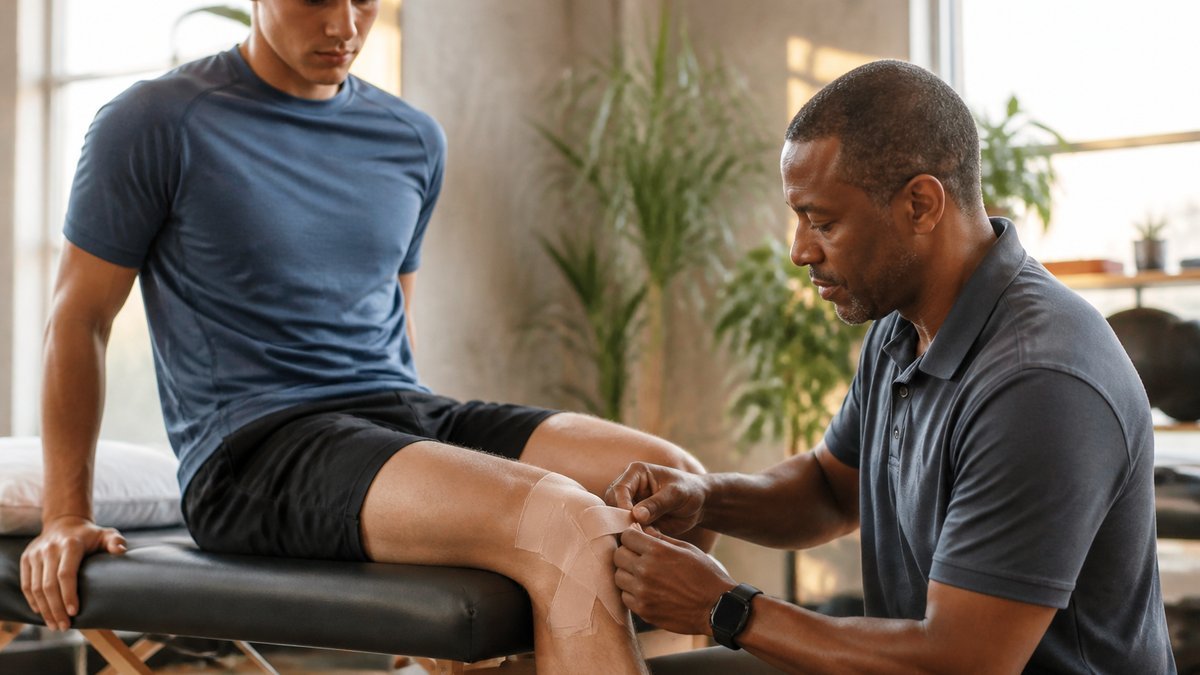
Sports medicine specialists are primary care sports physicians, orthopedic surgeons, physical therapists, and athletic trainers who work together to help patients. This area of medicine extends beyond injury care and addresses nutrition and long-term musculoskeletal health. Understanding what sports medicine offers can help you make decisions about your health and your physical activity. Learn what to know about sports medicine.
Athletes Who Benefit
Professional and collegiate competitors may rely on sports medicine teams to manage the intense physical demands of their training schedules, monitor recovery, and maintain strong performance throughout a season. Because recreational athletes may not have regular access to trainers or coaches, a specialist can provide guidance on proper technique and the right equipment to prevent injury.
Children and adolescents have developing bones and open growth plates, which make them vulnerable to injuries that differ from those seen in adults. Providers tailor evaluation and treatment to support healthy growth. This type of medicine also serves older adults who remain active, individuals returning to exercise after a long absence, and people whose occupations involve repetitive physical tasks, such as dancers, manual laborers, and military personnel.
Types of Conditions Treated
Specialists dealing with athlete injuries treat a wide range of acute and chronic conditions affecting the bones, joints, muscles, tendons, and ligaments. Care for these conditions ranges from physical therapy to surgery. Common conditions include:
- Sprains and strains: Injuries to ligaments or muscles, frequently affecting the ankle, knee, wrist, and lower back.
- Concussions: Mild traumatic brain injuries that can affect memory, balance, concentration, and mood.
- Overuse injuries: Conditions such as tendinitis, shin splints, tennis elbow, and runner’s knee that develop from repetitive motion.
- Ligament tears: Injuries to stabilizing structures such as the anterior cruciate ligament (ACL) in the knee.
Each condition requires evaluation, which may include a physical examination, imaging studies such as X-rays or MRI. Your overall health and activity history may be reviewed.
Treatment Options
Your care plan will depend on the type and severity of your injury, your overall health, and your activity goals. Some injuries respond well to conservative, nonsurgical approaches. Initial care often includes rest, ice, compression, and elevation to reduce swelling and protect the injured area. Braces or other supportive taping may provide additional stability during healing.
Physical therapy is a part of treatment plans. A physical therapist guides you through targeted exercises designed to restore strength, flexibility, balance, and range of motion. Therapy also addresses movement patterns that may have contributed to the injury, helping to reduce the risk of recurrence.
Medication can help manage pain and inflammation. Your provider may recommend anti-inflammatory medications or, in certain cases, corticosteroid injections to relieve persistent symptoms. Regenerative treatments may also be effective.
Schedule Sports Medicine Care
A sports medicine specialist can accurately diagnose your condition and develop a treatment plan that supports a safe return to activity. Seek care promptly if you experience persistent pain, swelling, instability, reduced range of motion, or symptoms of a concussion. Early evaluation may lead to simpler treatment and better outcomes, so schedule an appointment with a sports medicine provider.
- What You Should Know Before Getting a Root Canal
- Finding a Dentist Who Understands Your Needs
- Understanding Urology Care and Its Impact on Men’s Well Being
- When To Get a CT Scan
- The Benefits of Follow-up Care After Orthopedic Surgery