In today’s fast-paced world, true calm is rarely achieved through stillness alone. A kinetic haven redefines serenity as movement with intention, where body, mind, and environment work in harmony. These sanctuaries, whether physical spaces or lifestyle routines, enhance energy, focus, and emotional resilience.
By blending mindful movement, thoughtful design, and sustainable habits, a kinetic haven becomes a holistic approach to well-being. This guide explores its principles, benefits, and practical ways to implement it in daily life.
Understanding Kinetic Haven
A kinetic haven is not just a fitness room or meditation corner; it is a philosophy and lifestyle. Its focus is on intentional movement as a route to clarity, calm, and resilience. Unlike traditional silent sanctuaries, it embraces motion as a therapeutic tool. Every stretch, step, and breath becomes meditative, enhancing awareness and presence.
The concept is adaptable. It can exist in a home corner, workplace, studio, or outdoor park. The primary goal is to recognize the natural human need for movement and channel it mindfully to reduce stress, improve mental clarity, and enhance overall well-being.
Historical and Cultural Roots
While “kinetic haven” is a modern term, the philosophy dates back centuries. Across cultures, movement has been a path to spiritual, emotional, and physical wellness:
- Yoga (India): Combines breath, posture, and meditation for holistic balance.
- Tai Chi (China): Slow, flowing movements harmonize energy and increase mindfulness.
- Sufi Whirling (Middle East): Rotational movement as a meditative, spiritual practice.
- Indigenous Dance Rituals: Movement for community bonding, healing, and spiritual connection.
Modern kinetic havens integrate these traditions, blending ancient wisdom with scientific insights into stress reduction, mental health, and physical fitness.
Benefits of a Kinetic Haven
Physical Benefits
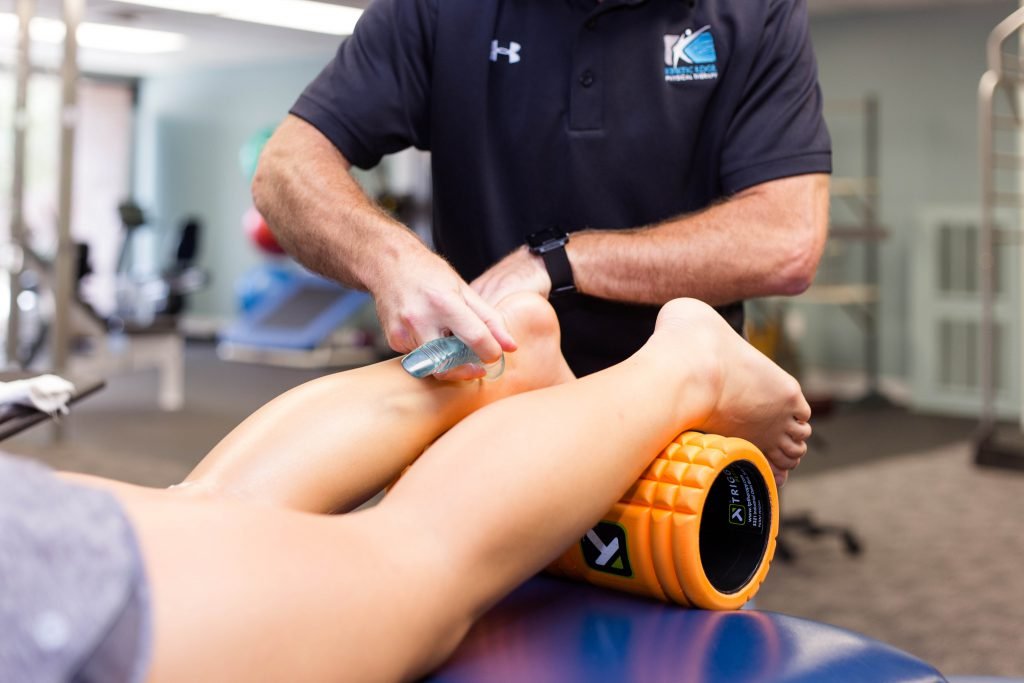
Mindful movement enhances flexibility, mobility, posture, and core strength. Circulation improves, oxygen flow increases, and chronic disease risks are reduced. Repeated, gentle activity builds stamina and vitality without strain, making kinetic havens suitable for all age groups.
Mental Benefits
Cognitive function improves through regular motion. Mindful exercises boost focus, creativity, memory retention, and problem-solving skills. Individuals practicing kinetic haven routines often report better mental resilience and reduced anxiety.
Emotional Benefits
Movement helps release emotional tension stored in muscles. Regular kinetic haven practices enhance mood, confidence, emotional regulation, and social bonding. Engaging in group activities amplifies these benefits, fostering a sense of belonging and community support.
Core Elements of a Kinetic Haven
A successful kinetic haven includes:
- Purposeful Movement: Every action is intentional, from walking to yoga or tai chi, performed with awareness.
- Environmental Design: Bright, open spaces with natural light, soothing colors, and minimal clutter support calm movement.
- Mindful Awareness: Conscious attention to breath, posture, and sensations transforms simple motion into meditation.
- Community Connection: Shared movement routines foster motivation, accountability, and social support.
- Sustainable Habits: Consistency and small, repeatable routines take precedence over extreme workouts.
Designing Your Kinetic Haven at Home
Creating a kinetic haven requires minimal investment:
- Space: Clear a corner or small room for movement.
- Lighting: Use natural light or soft lamps to create a calming atmosphere.
- Props: Mats, resistance bands, light weights, and comfortable surfaces enhance comfort.
- Sensory Elements: Plants, soothing sounds, or water features promote relaxation.
- Routine Integration: Incorporate daily rituals like morning stretches, midday walks, and evening breathwork.
Even small changes in your living space can cultivate an environment conducive to mindful movement and mental clarity.
Kinetic Havens in Workplaces and Public Spaces
Organizations and public institutions are increasingly adopting kinetic haven principles. Examples include:
- Walking Meetings: Stimulate creativity while reducing sedentary stress.
- Standing Desks: Encourage micro-movement throughout the day.
- Wellness Corners: Provide space for stretching, yoga, or meditation.
- Outdoor Integration: Gardens, terraces, and open-air areas enhance mental clarity.
Research indicates that workplaces designed for movement and mindfulness improve productivity, collaboration, and employee well-being.
Mindfulness and Breathwork in Motion
Breathwork bridges mind and body. Practices like diaphragmatic breathing activate the relaxation response, reduce stress hormones, and improve focus. Coordinating breath with movement enhances presence, energy flow, and emotional regulation. Body scan exercises help identify tension, while mindful walking or stretching deepens awareness, turning kinetic havens into powerful tools for mental clarity and emotional resilience.
Daily Routine Examples
- Morning Flow (5–10 minutes): Neck rolls, shoulder circles, hip openers, and deep breathing prepare the body for the day.
- Midday Activation (10 minutes): A brief walk, light stretching, or mobility exercises alleviate work stress.
- Evening Calm (5–7 minutes): Gentle stretches, diaphragmatic breathing, and reflective meditation support relaxation and restorative sleep.
Consistent short sessions produce measurable improvements in energy, focus, mood, and resilience.
Overcoming Challenges
Adopting a kinetic haven approach can face obstacles:
- Time: Start with short 5–10 minute sessions.
- Motivation: Partner exercises, reminders, or apps increase engagement.
- Physical Limitations: Modify exercises to match comfort and capacity.
- Self-Consciousness: Practice privately or with a trusted partner.
- Distractions: Dedicate a quiet, device-free space for movement.
Adaptability, patience, and self-compassion are crucial for success.
Real-Life Transformations
- Corporate: Tech companies implementing standing desks and walking zones report lower stress and improved collaboration.
- Home: Parents integrating mindful movement in small home corners experience better focus, energy, and emotional balance.
- Community: Tai Chi sessions at senior centers improve mobility, social connection, and overall wellness.
These examples illustrate kinetic havens’ versatility and effectiveness across environments.
Advanced Practices
Experienced practitioners can expand their kinetic haven routines:
- Movement Meditation: Slow, deliberate motion paired with breath awareness.
- Creative Play: Dance, rhythmic games, or expressive movement.
- Outdoor Integration: Walking or yoga in natural spaces enhances mood.
- Partner Exercises: Cooperative movement builds social bonds and motivation.
These advanced practices deepen engagement, making kinetic havens dynamic and holistic.
Frequently Asked Questions
1. What is a kinetic haven?
It is a lifestyle or environment emphasizing intentional, mindful movement to enhance physical, mental, and emotional well-being.
2. How does it differ from traditional exercise?
It is a lifestyle or environment emphasizing intentional, mindful movement to enhance physical, mental, and emotional well-being.
3. Can anyone create a kinetic haven at home?
Yes, even a small space with daily mindful routines can transform your home into a personal sanctuary for movement.
4. How does movement improve mental health?
Mindful motion reduces stress hormones, boosts mood, enhances focus, and strengthens emotional resilience.
5. How long should one practice daily?
Even 10–20 minutes of intentional movement per day produces noticeable benefits in energy, focus, and overall well-being.
Conclusion
A kinetic haven turns movement into a sanctuary for body and mind. By combining mindful motion, intentional design, and sustainable habits, individuals enhance focus, resilience, and emotional well-being. Even small daily practices transform ordinary routines into restorative rituals. Begin with short sessions, cultivate awareness, and create your kinetic haven—where motion becomes a source of joy, calm, and holistic balance.

