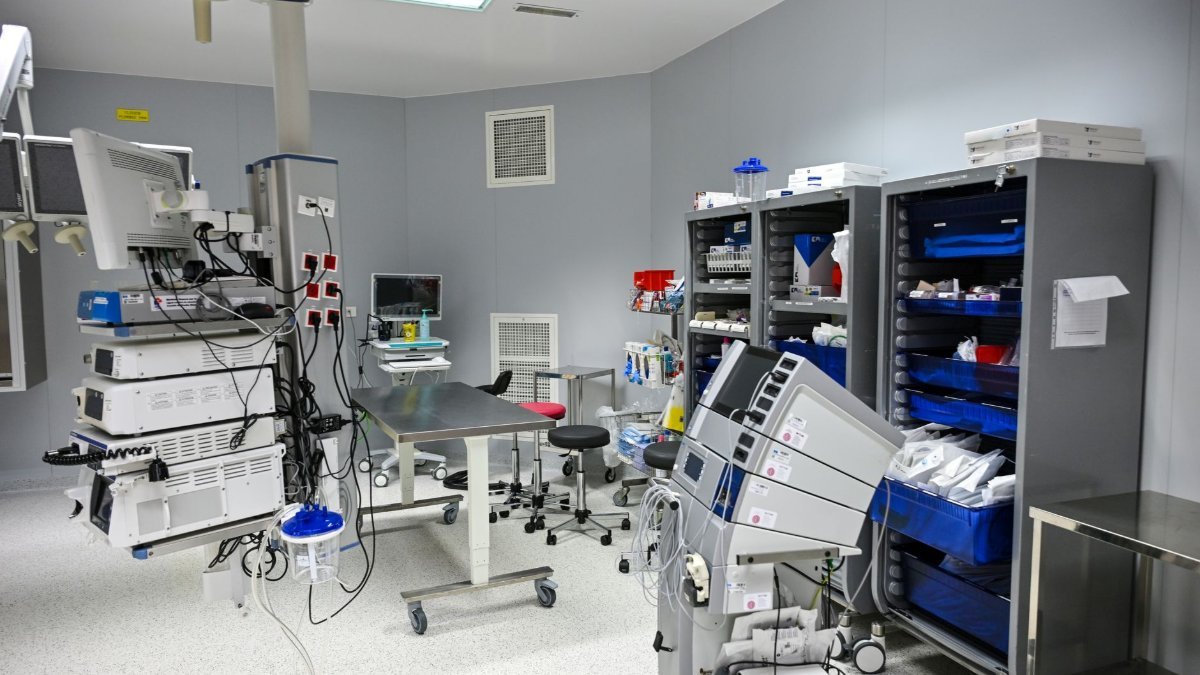
During a colonoscopy, a gastroenterologist uses a thin, flexible tube fitted with a small camera to examine the inner lining of the colon. The camera transmits live images to a monitor, and this gives the doctor a direct view of the entire large intestine. Here’s more information about this screening procedure and the benefits of scheduling one regularly:
Recognizing the Value of Screening
Regular colonoscopy screenings give your care team a structured way to monitor colon health over time. Doctors look for small growths on the colon lining, known as polyps, and they note any other changes. When a doctor finds a polyp, they may remove it during the same procedure, making the colonoscopy both a diagnostic and preventive tool.
A colonoscopy helps detect colorectal cancer. It is also beneficial because of the detail it provides; several key features distinguish this procedure, including:
- Direct view: The doctor examines the full colon in real time on a monitor.
- Same-visit removal: Providers may remove polyps without scheduling a separate procedure.
- Tissue sampling: Doctors sometimes collect small samples for laboratory review.
- Detailed records: Images and notes establish a baseline for tracking changes over future visits.
Each screening adds a new data point to your health record, and your doctor uses that history to guide future recommendations. Ask your provider for a copy of your procedure report so that you can maintain your own organized file. Scheduling regular exams also lets you address questions about family history or digestive changes. When you share complete, accurate details, your provider can tailor recommendations to your situation.
Preparing for Your Procedure
Thorough preparation plays a fundamental role in producing a clear, useful exam. A clean colon allows the doctor to see the full lining without obstruction, so follow your provider’s instructions closely. Most preparation begins two to three days before the procedure, when providers typically recommend switching to a low-fiber diet. If you take daily medications or supplements, discuss them with your provider in advance so you receive guidance on any needed adjustments.
On the day before the exam, patients transition to a clear liquid diet. Water, plain broth, and unflavored gelatin are helpful choices, but avoid red and purple liquids. These options may resemble blood on camera. Your provider will also prescribe a bowel preparation solution to clear the colon, so plan to stay near a bathroom. Because most patients receive sedation during the procedure, arrange for a responsible adult to drive you home. Plan to rest for the remainder of the day.
Following Your Screening Schedule
Screening schedules vary based on individual health history and risk level. Some guidelines recommend that adults at average risk begin colonoscopy screening at age 45. Your provider will confirm the appropriate starting point for you. Factors such as family history, previous polyps, and certain underlying conditions may shorten the recommended interval between exams. Normal results sometimes allow up to ten years before the next routine screening. Staying on schedule requires planning ahead, so set a calendar reminder two to three months before your next exam. This gives you time to book an appointment and verify insurance coverage.
Schedule a Colonoscopy
Regular colonoscopy screenings give doctors a direct, detailed view of the colon, and thorough preparation helps make each exam more effective. Your provider sets a personalized schedule based on age, health history, and risk factors. The procedure can help detect colorectal cancer earlier on, which allows for timely treatment. Contact your health care provider today to schedule your next colonoscopy screening or ask when you are due.
- What You Should Know Before Getting a Root Canal
- Finding a Dentist Who Understands Your Needs
- Understanding Urology Care and Its Impact on Men’s Well Being
- When To Get a CT Scan
- The Benefits of Follow-up Care After Orthopedic Surgery