Sodiceram is a term that is increasingly searched by people who want to understand its meaning, purpose, and practical value. Whether you encountered Sodiceram in an industrial context, construction discussion, material science topic, or online reference, it naturally raises questions. What is Sodiceram? How is it used? Why does it matter in modern industries? This SEO-optimized and user-friendly article explains Sodiceram in clear, easy English, with a structured approach that helps readers understand its role, applications, advantages, limitations, and future potential.
What Is Sodiceram?
Sodiceram generally refers to a ceramic or ceramic-based material that involves sodium compounds as part of its composition or production process.
Simple Explanation
Sodiceram can be understood as:
- A type of technical ceramic material
- A ceramic compound influenced by sodium elements
- A material used in industrial, construction, or technical applications
The name itself suggests a connection between sodium (“sodi-”) and ceramic materials (“ceram”).
Why Sodiceram Is Important
Ceramic materials play a major role in modern life, and Sodiceram fits into this broader category.
Key Reasons for Importance
- High resistance to heat and chemicals
- Strong durability over long periods
- Useful in industrial and construction environments
- Reliable performance under stress
Sodiceram materials are valued where stability and strength are required.
Basic Composition of Sodiceram
Understanding what Sodiceram is made of helps explain its performance.
Ceramic Base Materials
Core Components
- Silicates
- Oxides
- Mineral compounds
These materials provide hardness and heat resistance.
Role of Sodium Compounds
Why Sodium Matters
- Helps lower melting temperature during production
- Improves bonding within ceramic structures
- Enhances processing efficiency
Sodium-based additives can make ceramic manufacturing more efficient and consistent.
How Sodiceram Is Manufactured
The production process follows traditional ceramic manufacturing principles with specialized adjustments.
Raw Material Preparation
First Step
- Selection of mineral powders
- Precise measurement of sodium compounds
- Mixing to ensure uniform composition
Shaping and Forming
Common Methods
- Pressing
- Molding
- Extrusion
This step determines the final shape of the Sodiceram product.
Firing and Heat Treatment
Critical Phase
- High-temperature kilns
- Controlled heating cycles
- Gradual cooling to prevent cracking
This process gives Sodiceram its strength and durability.
Quality Control
Why It Matters
- Ensures consistency
- Prevents defects
- Confirms resistance levels
High-quality Sodiceram must meet strict performance standards.
Common Uses of Sodiceram
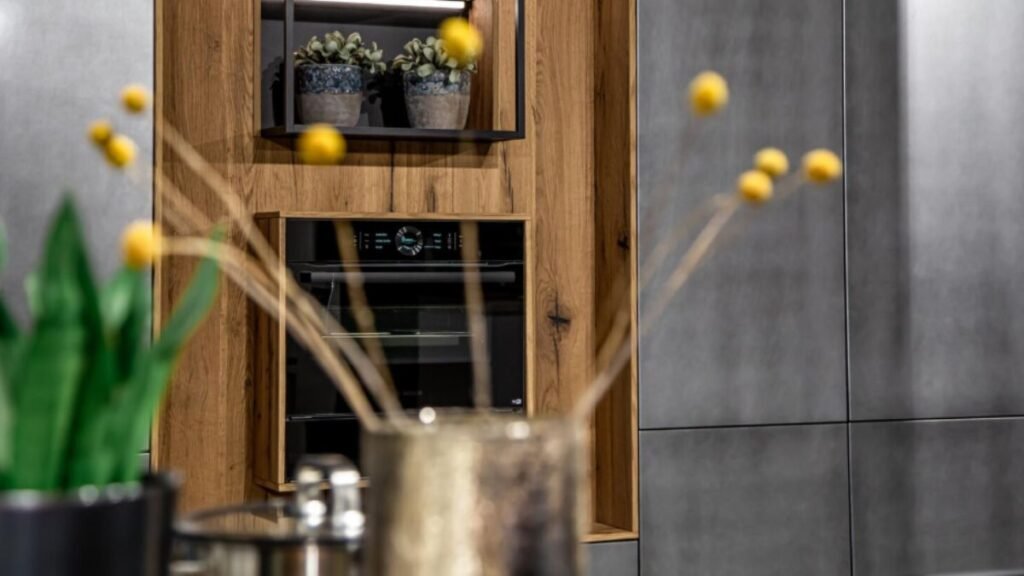
Sodiceram is valued across multiple industries.
Construction Industry
Applications
- Tiles and panels
- Heat-resistant building components
- Protective surfaces
Sodiceram’s durability makes it ideal for long-term construction use.
Industrial Applications
Where It Is Used
- Chemical processing environments
- High-temperature machinery parts
- Protective linings
Its resistance to chemicals and heat reduces maintenance needs.
Electrical and Technical Uses
Why It Works
- Electrical insulation properties
- Stability under temperature changes
- Non-conductive behavior
This makes Sodiceram useful in technical systems.
Laboratory and Scientific Equipment
Benefits
- Chemical stability
- Precision shaping
- Long lifespan
Sodiceram supports accurate and safe experimentation.
Advantages of Sodiceram
Sodiceram offers several clear benefits.
High Heat Resistance
Why Important
- Performs well in extreme temperatures
- Maintains structure under heat stress
Chemical Stability
Key Benefit
- Resists corrosion
- Suitable for harsh environments
Long Durability
Outcome
- Reduced replacement costs
- Long service life
Low Maintenance
Advantage
- Minimal wear
- Easy to clean and maintain
Environmental Stability
Value
- Does not degrade easily
- Stable over time
Limitations of Sodiceram
Despite its strengths, Sodiceram has some limitations.
Brittleness
Challenge
- Can crack under heavy impact
- Requires careful handling
Manufacturing Cost
Concern
- High-temperature firing increases cost
- Specialized materials add expense
Weight
Impact
- Heavier than some alternative materials
- Transportation considerations
Limited Flexibility
Reality
- Not suitable for flexible applications
Sodiceram vs Other Ceramic Materials
Comparing Sodiceram helps clarify its unique value.
Sodiceram vs Traditional Ceramics
Key Difference
- Improved processing due to sodium additives
- Better consistency in production
Sodiceram vs Advanced Technical Ceramics
Comparison
- Less expensive
- Slightly lower performance in extreme conditions
Sodiceram balances cost and performance.
Sodiceram vs Glass Materials
Contrast
- Stronger than glass
- Less transparent
- More impact-resistant
Why Industries Choose Sodiceram
Decision-making depends on practical needs.
Cost-to-Performance Balance
Reason
Industries want reliable materials without excessive cost.
Availability
Benefit
Raw materials are widely accessible.
Proven Reliability
Confidence
Long-term performance builds trust.
Adaptability
Flexibility
Can be used in multiple sectors.
Sodiceram in Sustainable Manufacturing
Sustainability is becoming increasingly important.
Energy Efficiency
Consideration
Lower melting temperatures reduce energy use.
Longevity
Environmental Benefit
Long life means fewer replacements and less waste.
Recyclability
Potential
Some ceramic waste can be reused in production.
Reduced Chemical Waste
Impact
Stable materials lower contamination risks.
Maintenance and Care of Sodiceram Products
Proper care extends lifespan.
Cleaning Guidelines
Best Practices
- Use non-abrasive cleaners
- Avoid sudden temperature changes
Handling and Storage
Advice
- Store on stable surfaces
- Protect from heavy impacts
Inspection
Tip
Regularly check for cracks or chips.
Safety Considerations
Safety matters when working with Sodiceram.
Handling During Installation
Precaution
Use protective gloves and equipment.
Heat Exposure
Awareness
Allow proper cooling time before handling.
Dust Control
Important
Avoid inhaling ceramic dust during cutting.
Future of Sodiceram
The role of Sodiceram may expand as technology advances.
Improved Manufacturing Techniques
Trend
More efficient kilns and processes.
Enhanced Material Blends
Possibility
Stronger and lighter versions.
Wider Industrial Adoption
Expectation
More industries may adopt ceramic solutions.
Research and Development
Focus
Better performance with lower environmental impact.
Why People Search for Sodiceram
Search behavior reflects curiosity and practical need.
Technical Research
Engineers and students seek understanding.
Industrial Procurement
Companies evaluate materials.
Construction Planning
Builders look for durable solutions.
General Knowledge
People want clarity on unfamiliar terms.
How to Evaluate Sodiceram Products
Choosing quality matters.
Check Material Standards
Tip
Look for certified specifications.
Understand Usage Requirements
Advice
Match the product to the application.
Compare Alternatives
Best Practice
Evaluate cost, durability, and performance.
Supplier Reliability
Importance
Trusted suppliers ensure quality.
Sodiceram in a Competitive Materials Market
Materials science continues to evolve.
Competition
- Metals
- Polymers
- Composite materials
Why Sodiceram Remains Relevant
- Heat resistance
- Chemical stability
- Long-term value
Strategic Role
Sodiceram fills a critical niche.
Key Takeaways About Sodiceram
Understanding the basics helps decision-making.
Strength and Stability
Reliable under demanding conditions.
Balanced Performance
Good mix of cost and durability.
Wide Applicability
Useful across industries.
Ongoing Innovation
Continues to improve with research.
Conclusion
Sodiceram represents a practical and reliable ceramic material that combines durability, heat resistance, and chemical stability with efficient manufacturing benefits. Its use across construction, industry, technical systems, and laboratories highlights its versatility and long-term value. While it has limitations such as brittleness and production cost, these are outweighed by its strength, stability, and low maintenance needs. As industries continue to seek materials that balance performance, cost, and sustainability, Sodiceram remains a strong and relevant choice for modern applications.
Related Post
- Kinetic Haven – The Ultimate Guide to Movement, Mindfulness, and Modern Well-Being
- vRealize Infrastructure Navigator: Complete Guide, Features, Benefits & Modern Use Cases
- Seekde: Complete Guide to Features, Benefits, Technology, and Modern Uses

